Cart 0
Cart 0
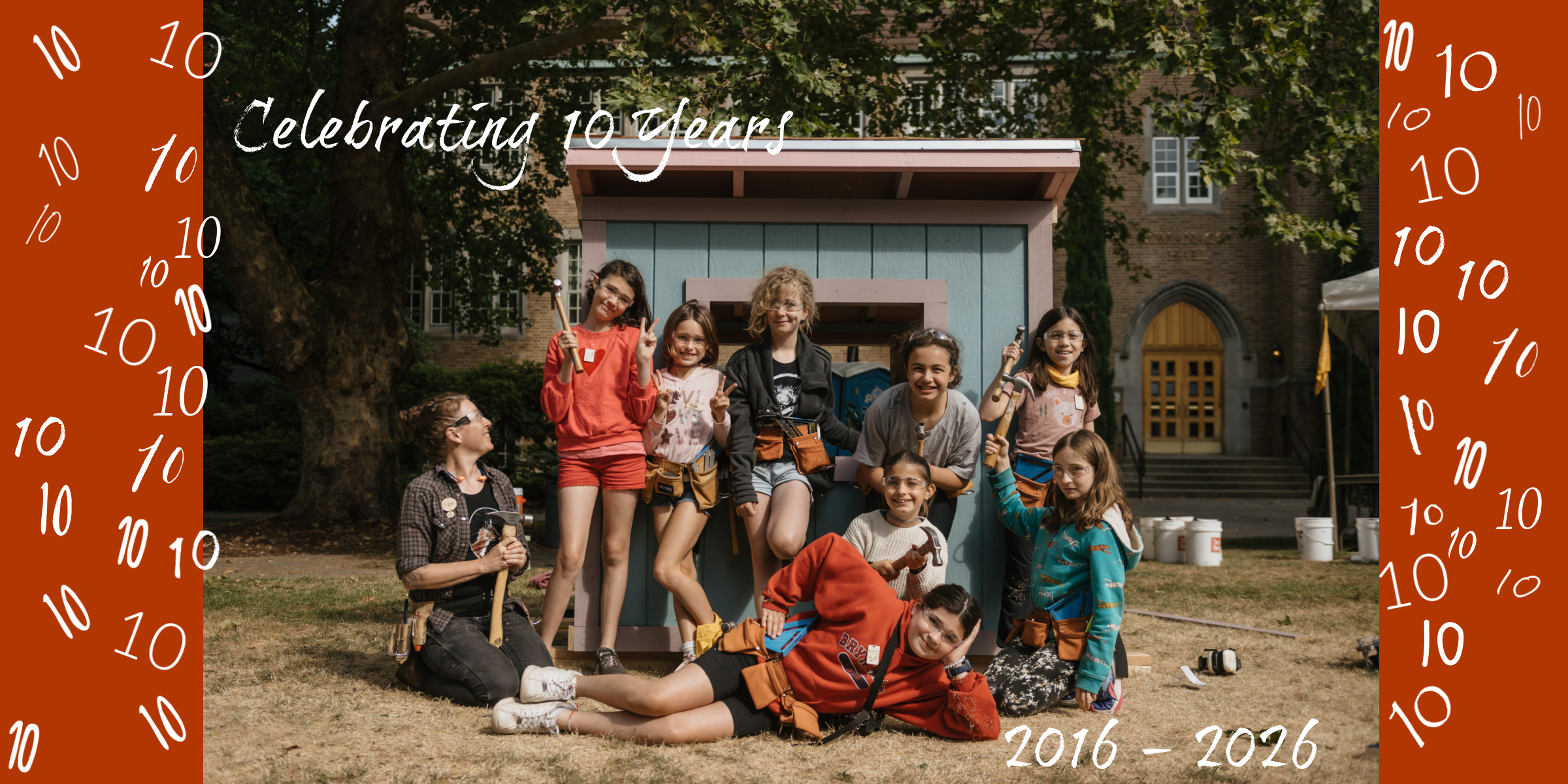
8 x 4 in (1).png

Girls.Power.Tools.

Our Mission:

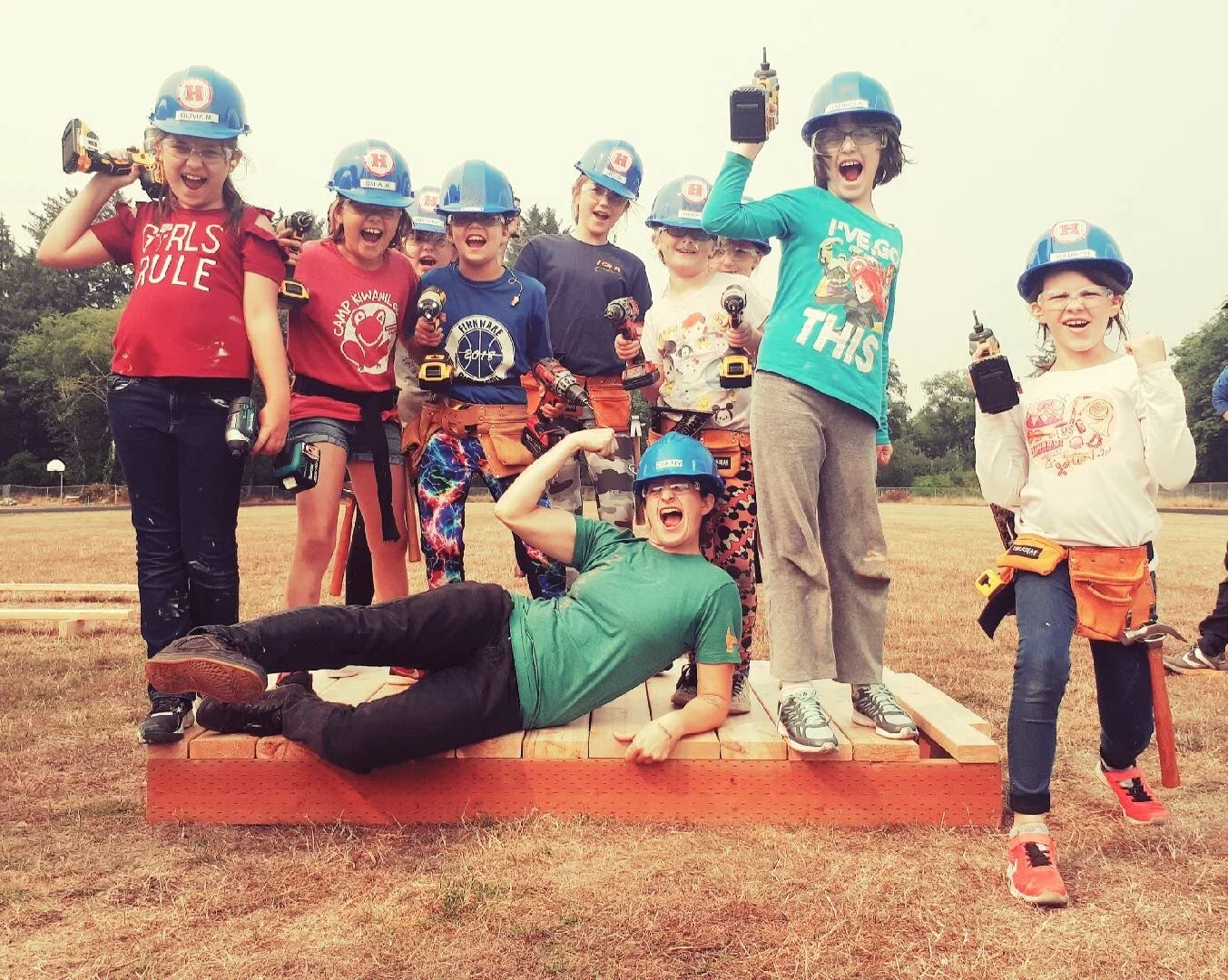
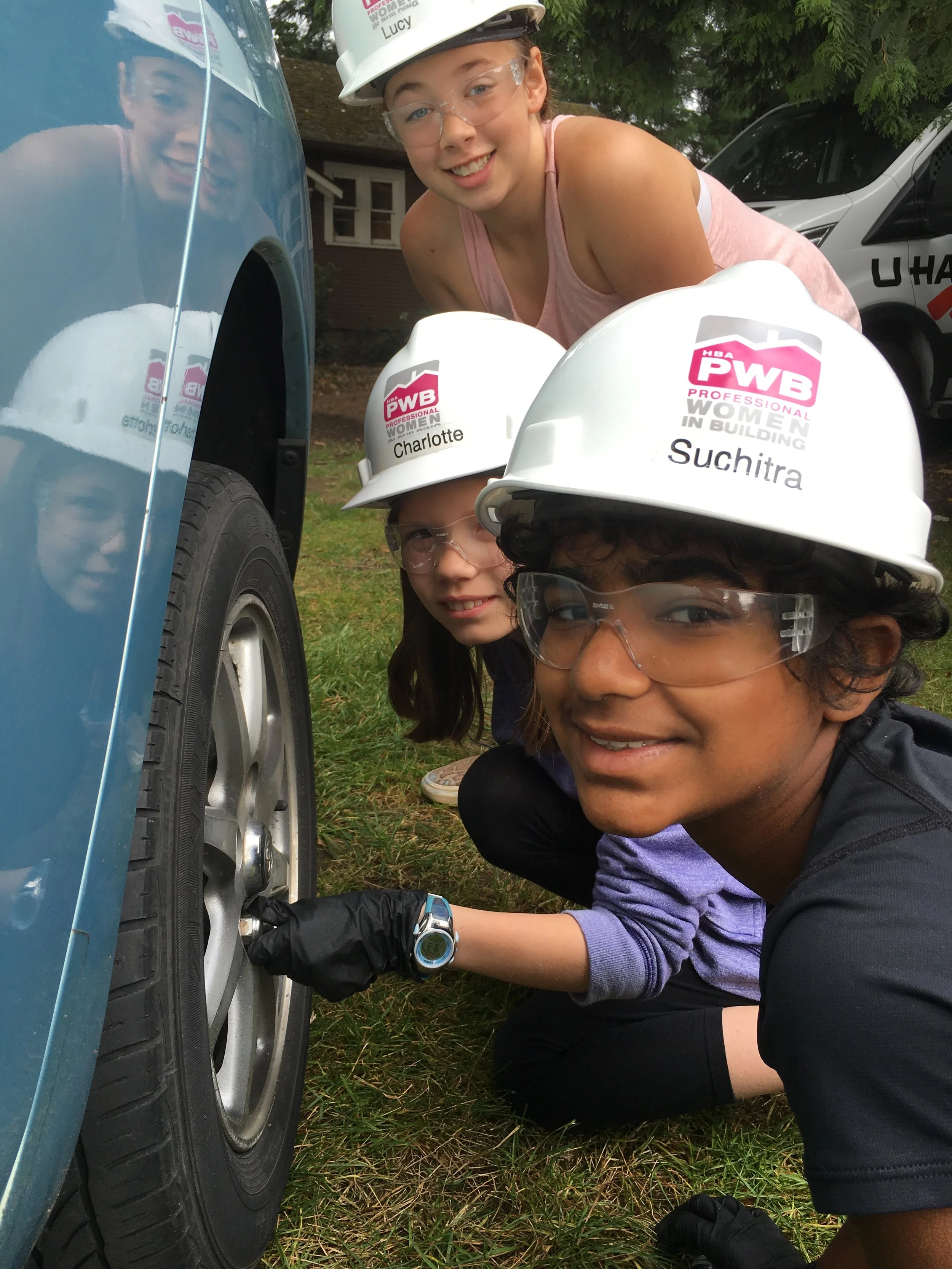
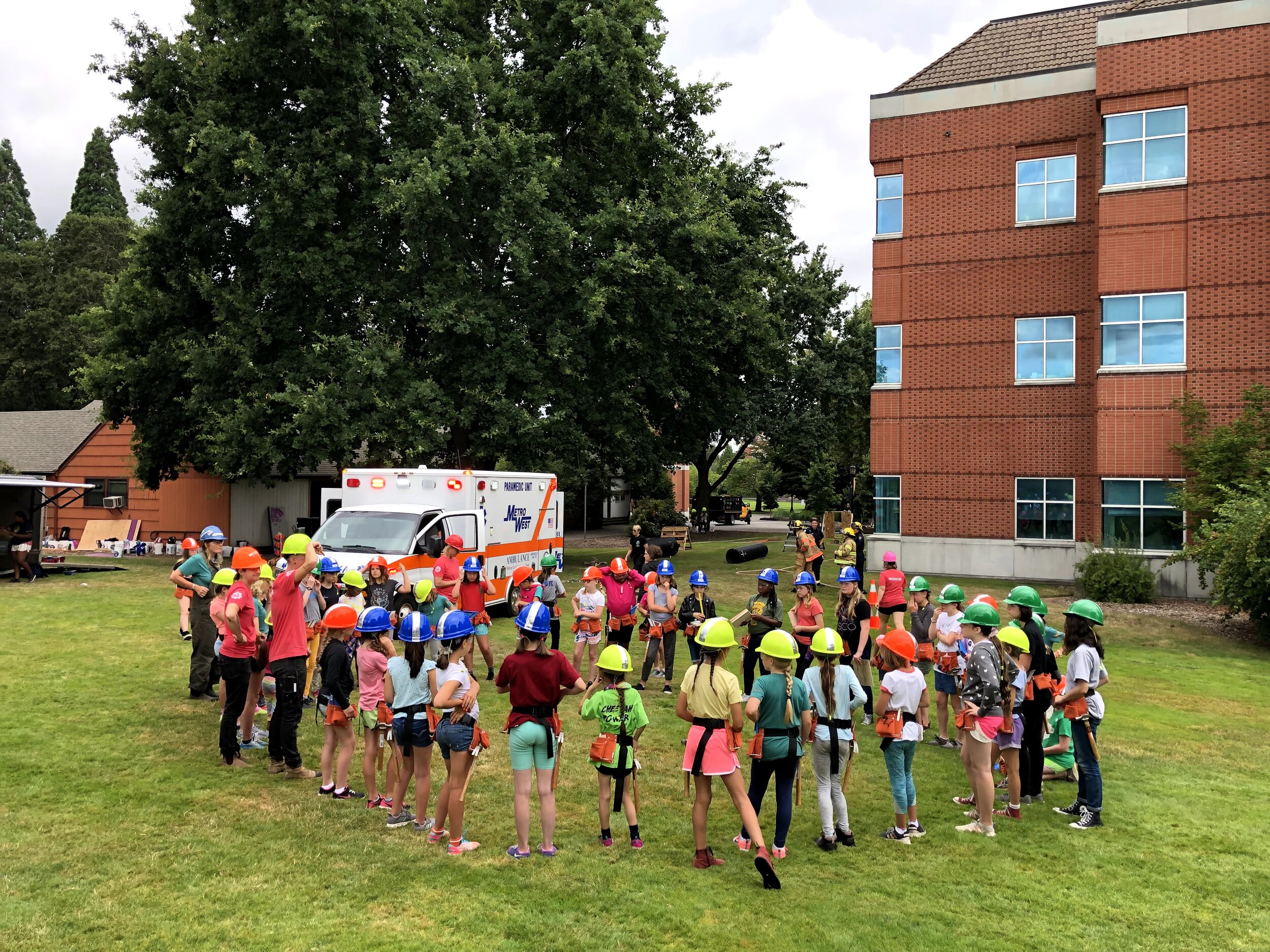
Girls Build® is a non-profit organization based in Portland, OR, inspiring curiosity and confidence in girls through the world of building. This is accomplished through hands-on summer camps and after school programs for 8 - 15 year olds throughout Oregon.

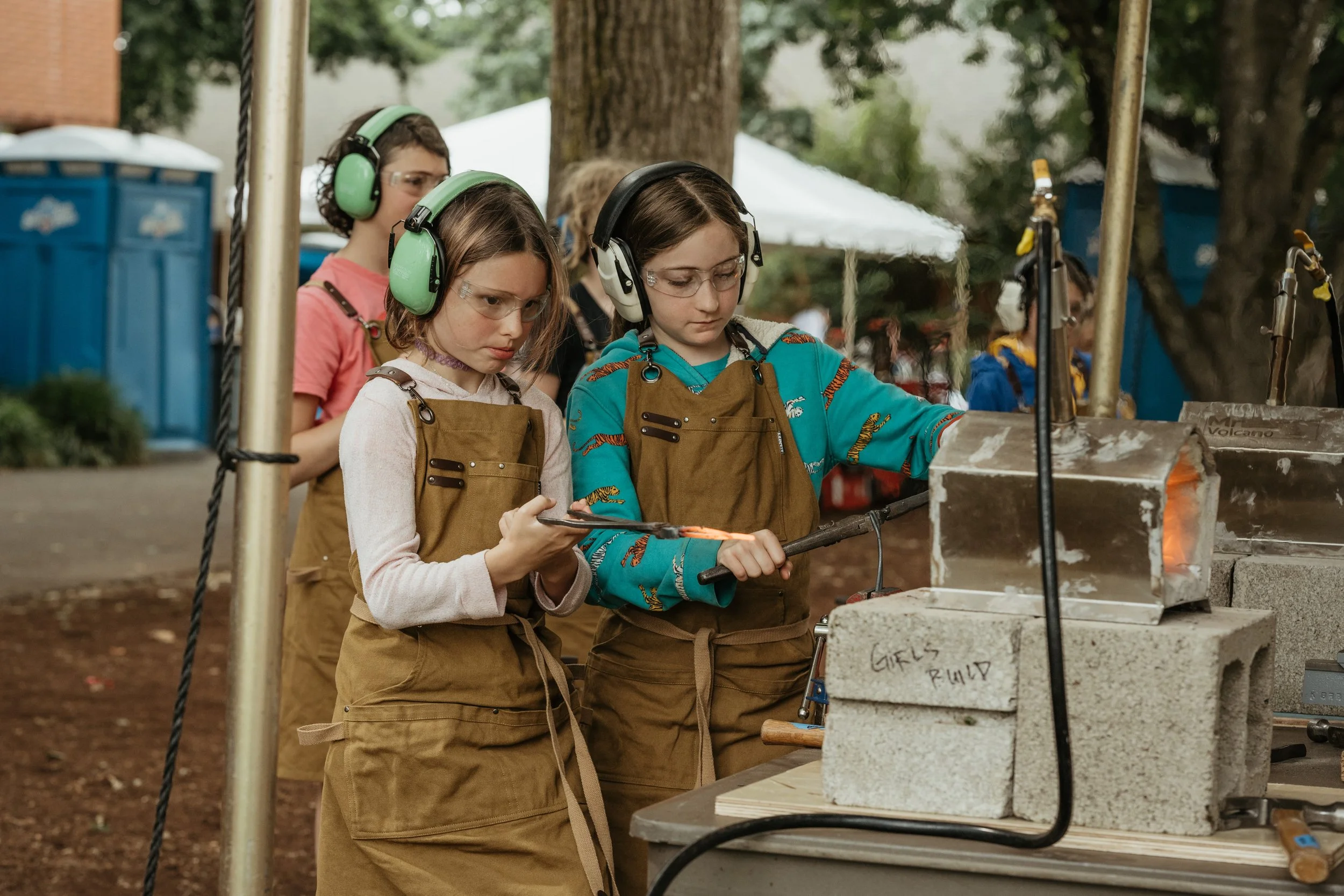
In 2025, Girls Build served over 600 youth across Oregon. Be prepared for something great, because now over 600 kids know how to use chop saws and drills and impact drivers and tape measures and jig saws and orbital sanders and band saws and . . .

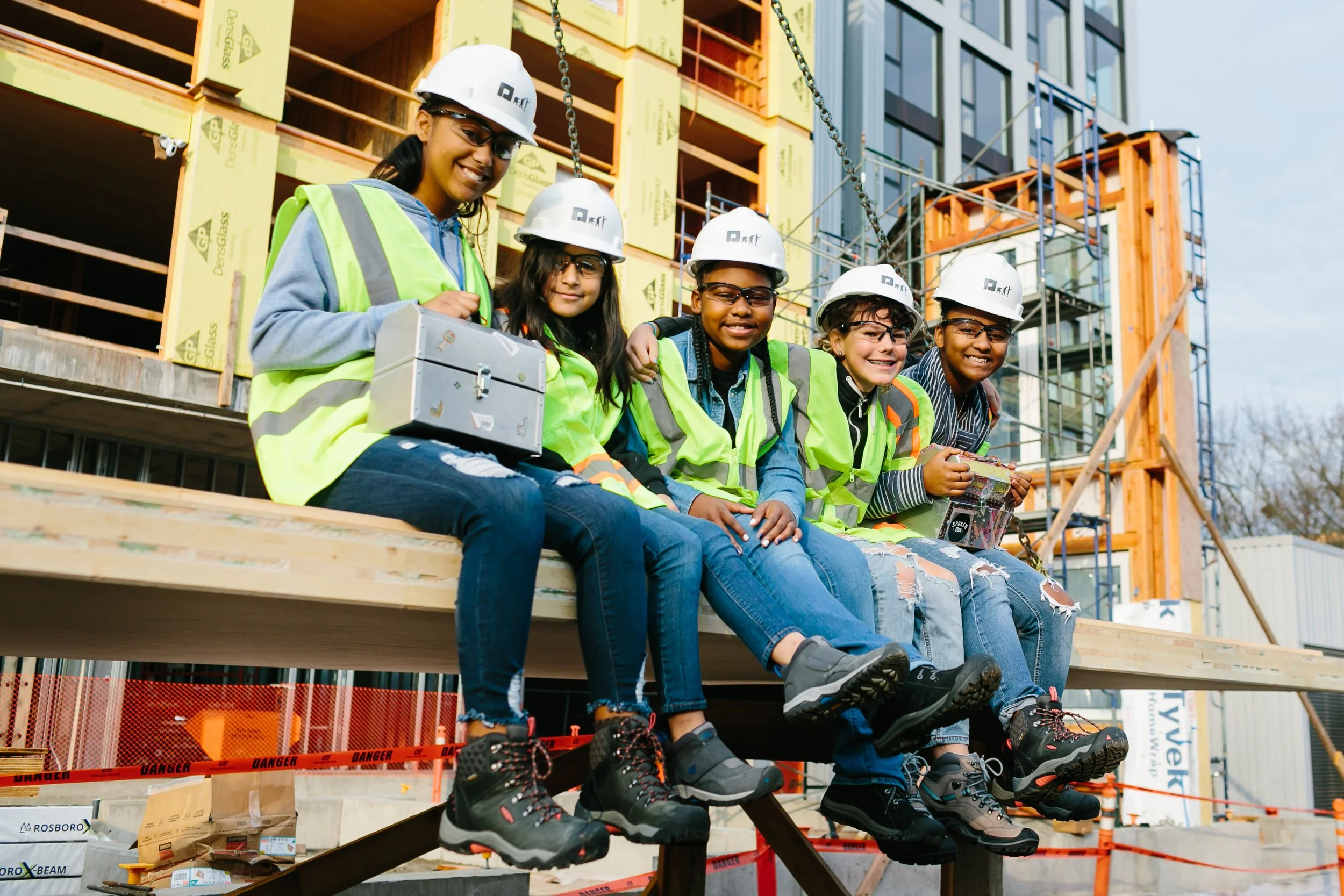
Women represent less than 4% of the U.S. construction trades workforce. Why does this matter? The trades offer living-wage careers (not jobs) with healthcare and benefits that allow women to change the trajectory of their lives through work that offers both pride and a paycheck.

By opening the door to the trades early — eight years old!—we first let them find their own strength and self of self through these tools and trades. We help them fall in love with it all, and then we tell them the best part—you could spend your days doing this, and someone will pay you well for it.

Our programming intentionally reaches those facing the greatest barriers: girls in foster care, girls of color, and girls from low-income households — those with the least exposure to trades education and the most to gain from career pathways that don’t require a four-year degree.

Girls Build isn’t a carpentry class with an equity rider. It is a youth development organization whose curriculum happens to involve power tools — a model designed to change who enters the workforce.


This isn’t just camp. It’s an economic intervention.


By the time most girls are old enough to choose a career, the choosing is already done. A thousand small signals — who shows up in trade school brochures, who works the job sites, what subjects get steered toward girls and away from them — have already done their sorting.

The result: by middle school, most girls have already absorbed the message that these skills aren’t for them — not because of ability, but because the invitation was never sent.

The average starting pay for a first term apprentice is$25.18 per hour in Oregon, plus benefits including health insurance and retirement. The jobs most available to young women without specialized training pay between $14.88 and $17.25 per hour — typically without benefits. That gap, compounded over a 40-year career, is the difference between renting and owning. Between financial fragility and generational wealth.

Starting wages in trades careers pay $8+ more per hour than the jobs most accessible to young women without specialized training. Over time, that pay gap grows and tradesworkers increase their knowledge, value and, of course, pay. Over a 40-year career, that gap compounds into hundreds of thousands of dollars in lifetime earnings — the difference between financial instability and economic mobility.


Our Impact

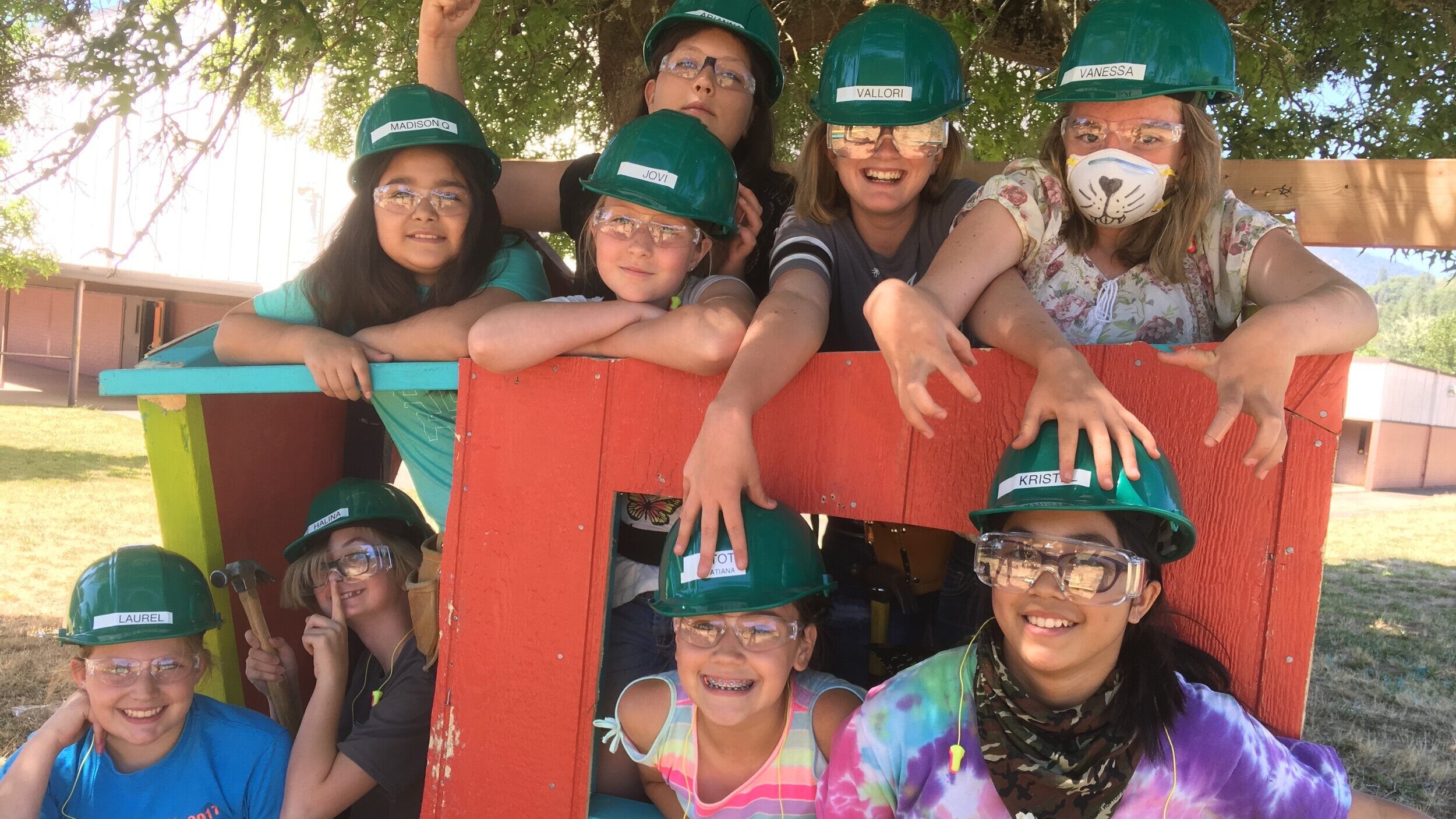
Growing and growing! From our first year of 60 girls to now close to 500 a summer, we continue teaching and building confidence! Expanding from our Summer Camps, we also offer after-school programming at our warehouse so we can continue educating girls and women all year long!


5000

Girls LEarning to Build Since 2016

Since our beginning in 2016 we have taught nearly 5,000 girls through our summer camp and after school programming.


1800+

Scholarships Awarded

Because of the generosity of our donors we have been able to award partial or full scholarships to over 1800 youth.


220+

Foster Youth Served Free

Through our foster care program, over 220 foster care kids have attended camp for FREE!


<4%

Women in U.S. construction trades

— the number we exist to change


Untitled-7.jpg

Our Programs

Two ways to build. One reason it matters.

 The solution isn’t waiting for the workforce to change — it’s building the pipeline earlier, starting with girls who are still young enough to believe the door is open.


Summer Camps —Ages 8-15

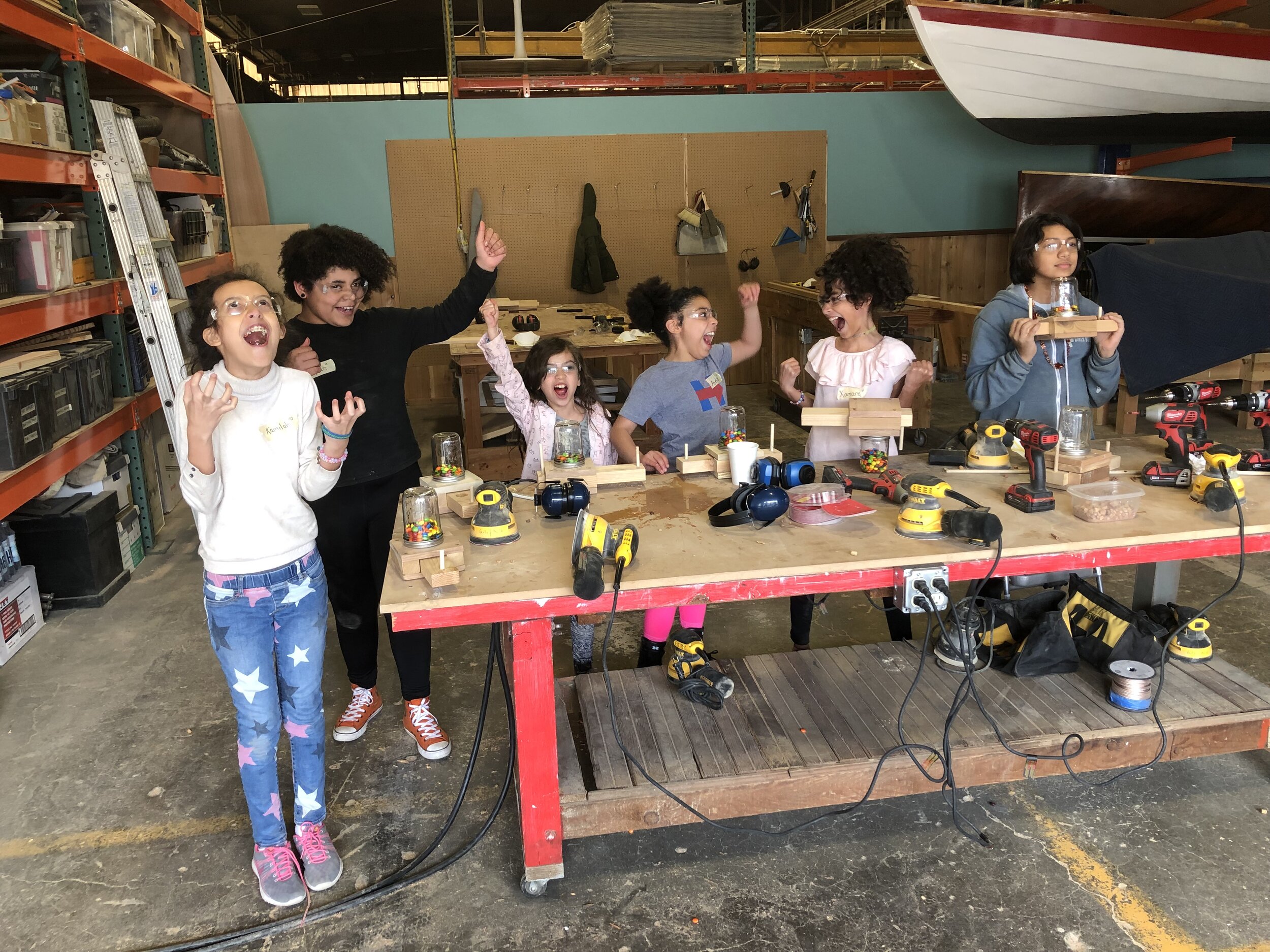
Nine camps. Five days. Twenty workshops. One week that can open a door that was never supposed to be open to her.

WORKSHOPS & CLASSES—Year-Round

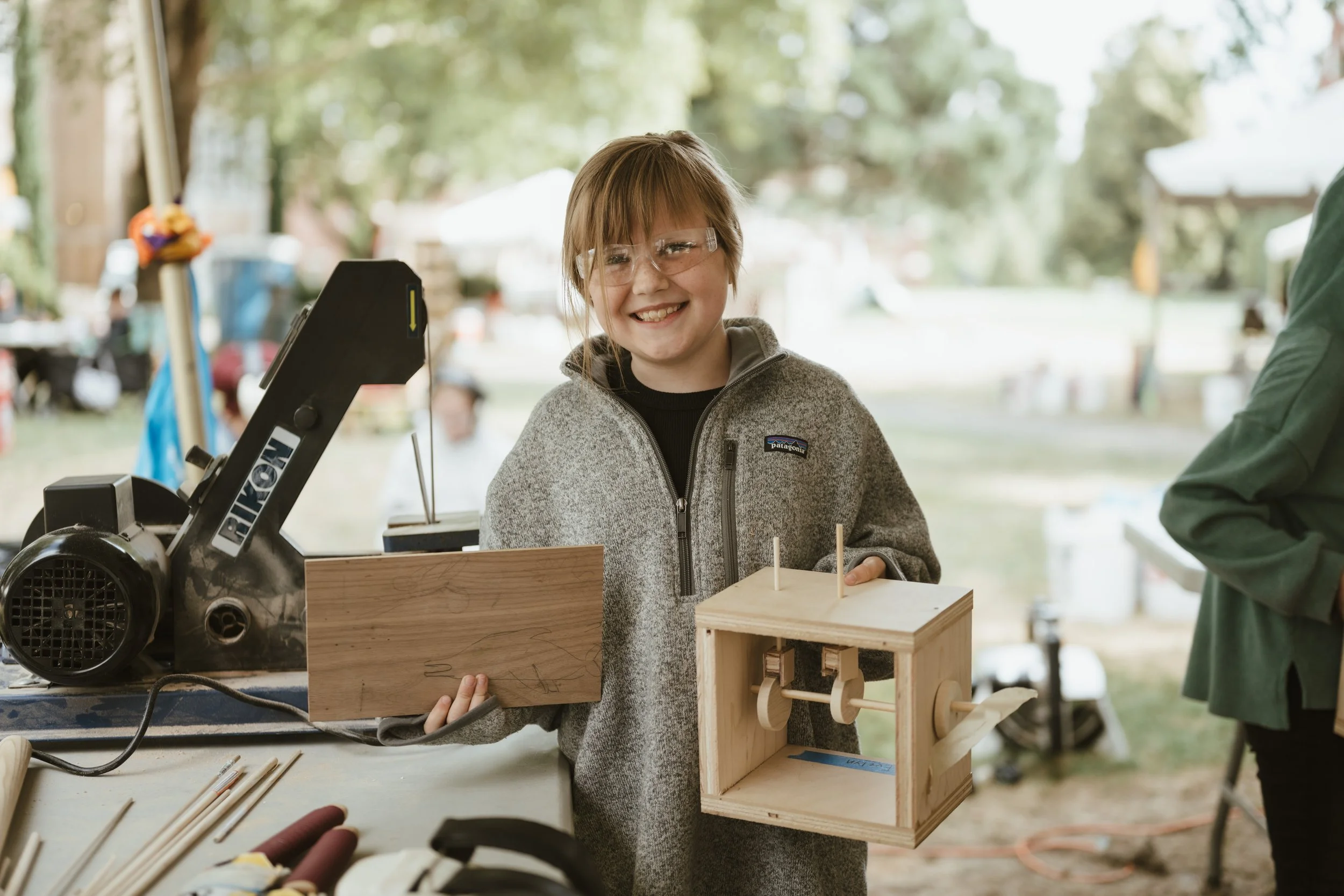
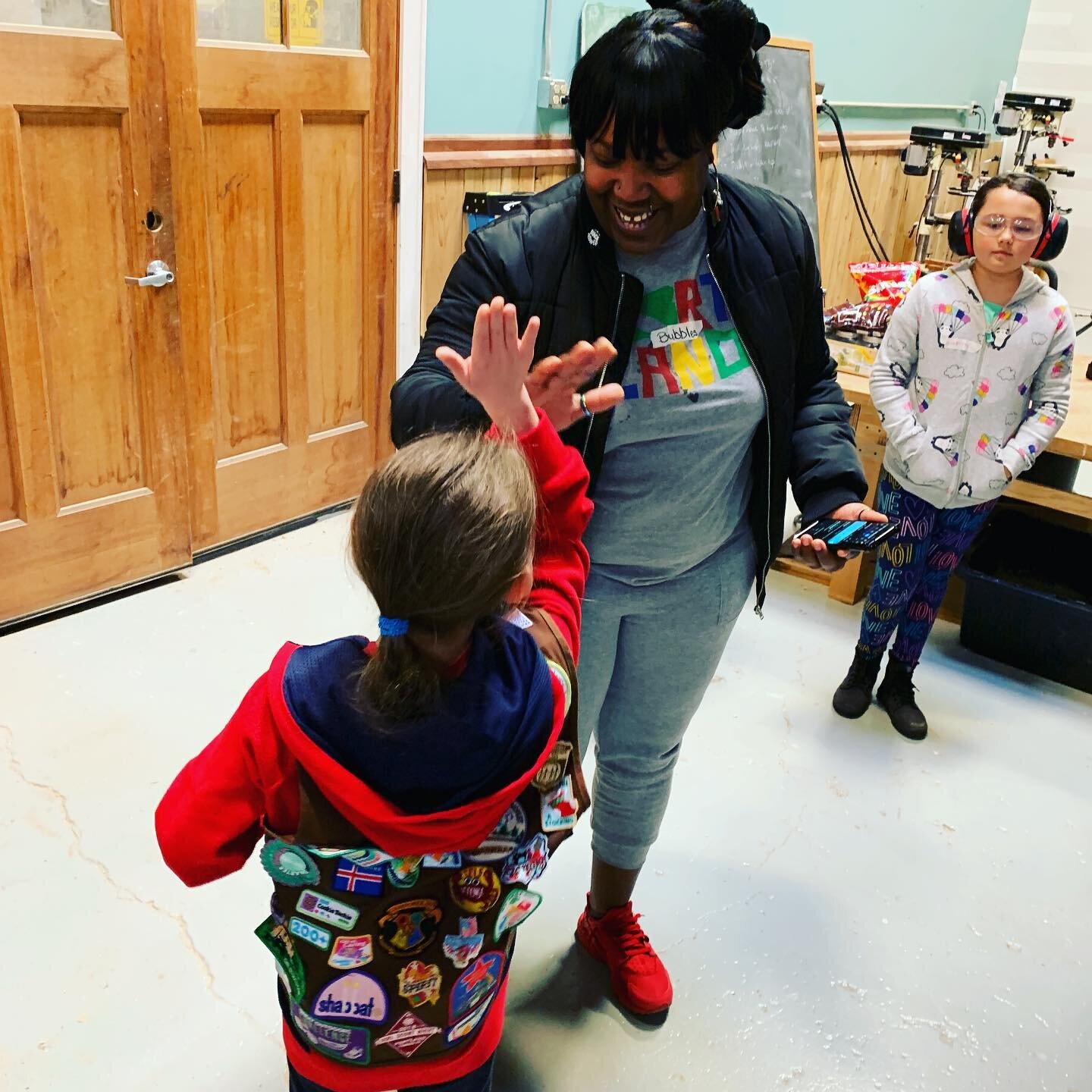
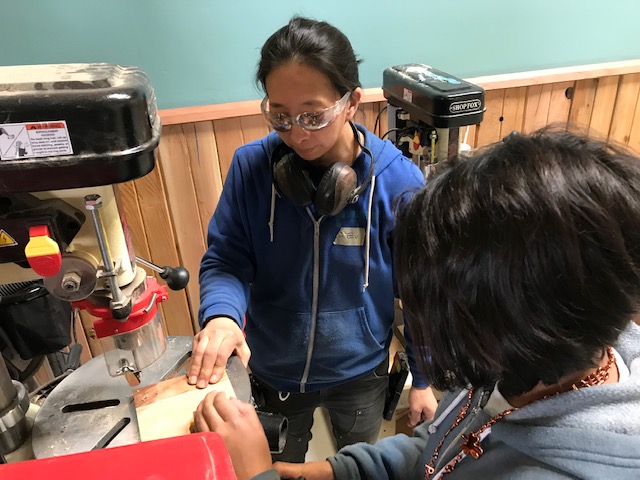
After-school workshops run November through May at our Portland warehouse — small groups, hands-on projects, women-led instruction.

Untitled-3.jpg

We’re not teaching 9-year-olds to be carpenters. We’re changing what they believe is possible for themselves — at the exact moment those beliefs are being formed.

build-quote-photo.jpg

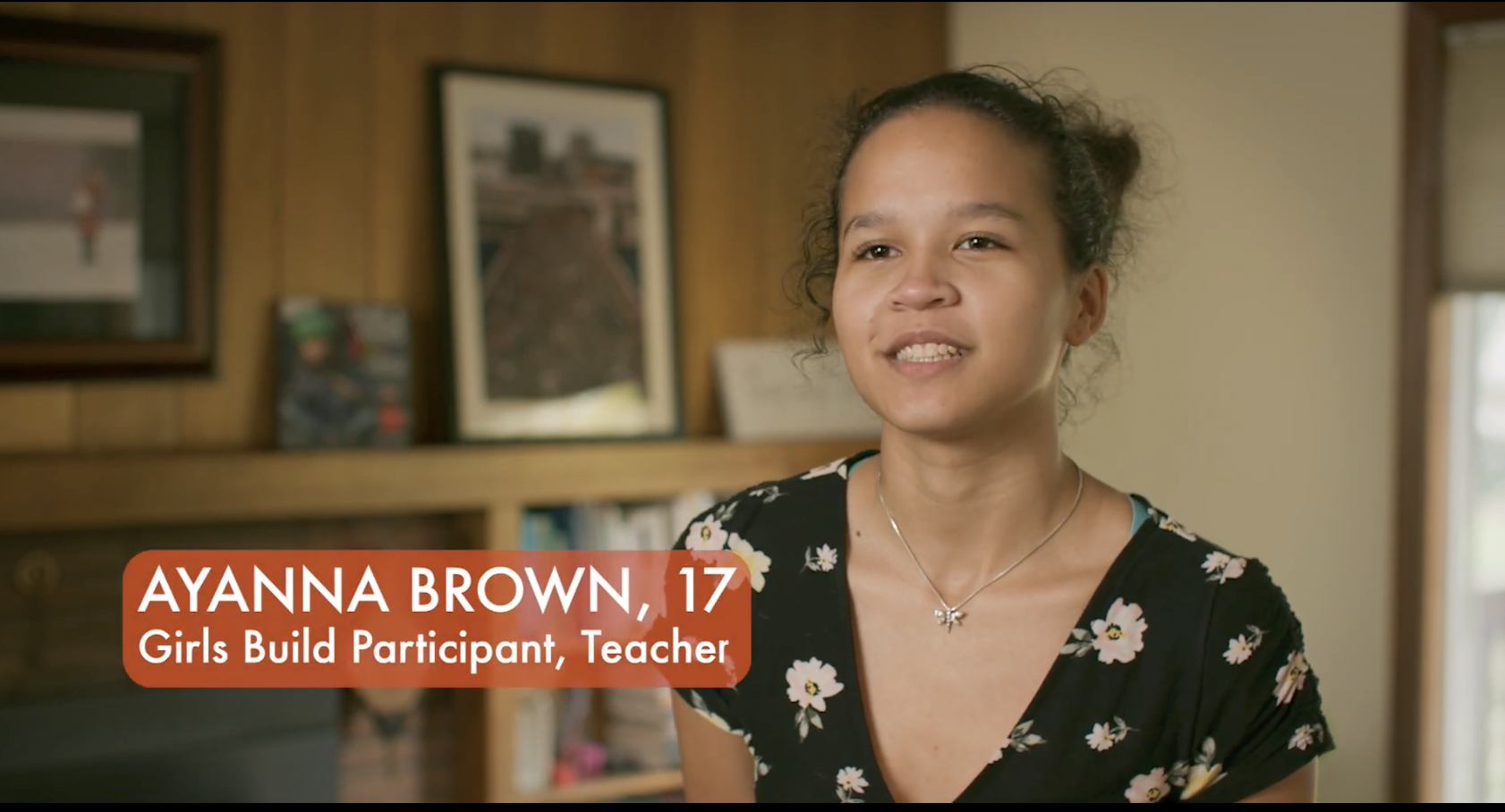
Building makes me feel like I can do whatever I want, because I can do whatever I want. I can be creative in my own way, and I can just do anything.""

— Gabii, 8

Why Ages 8–15? Because the Window Closes.

You can tell a 16-year-old that women can be electricians.

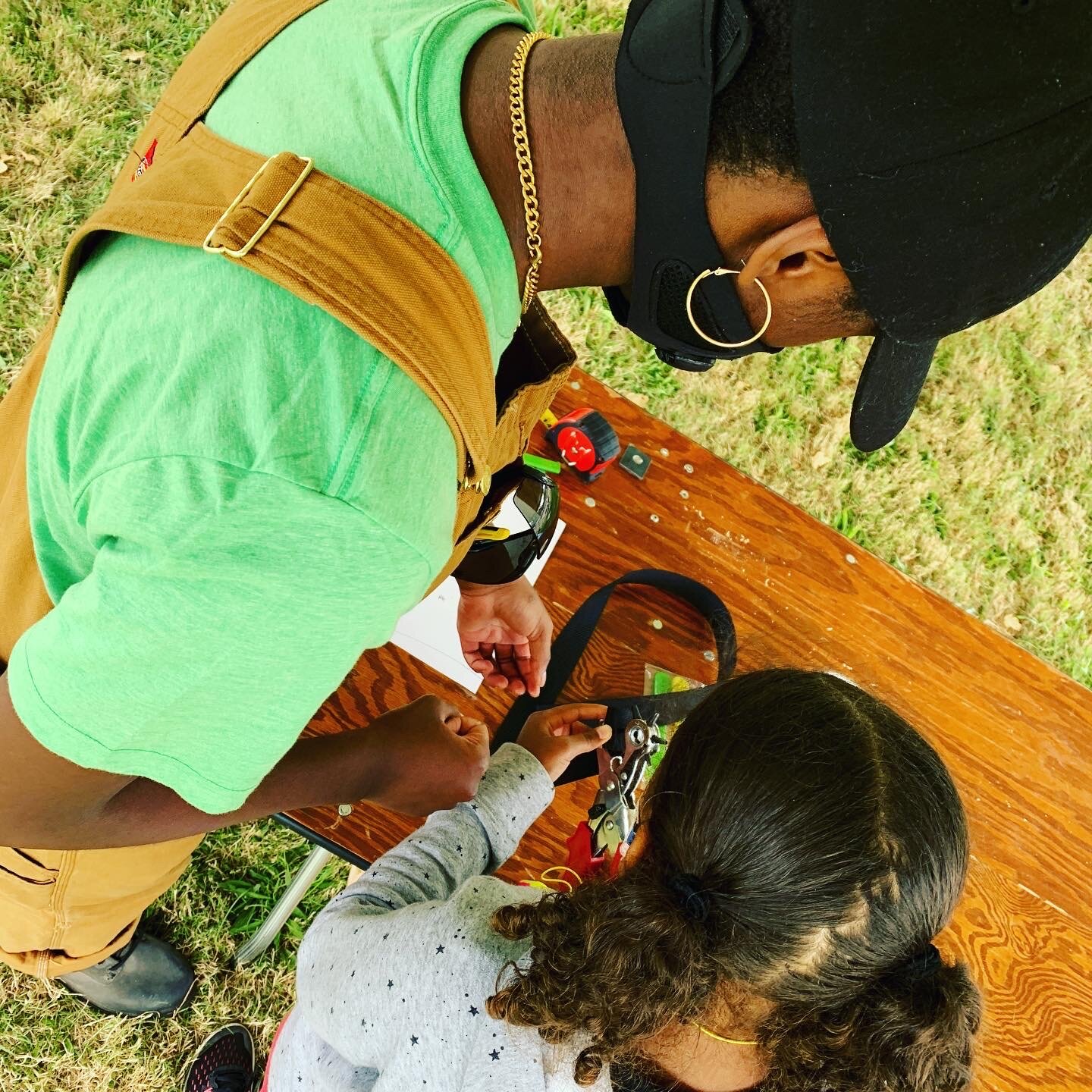
Or you can hand a 10-year-old a wire stripper and let her figure out a circuit herself.


The second one rewires something that a poster never can.

No one says it out loud. But by their teens, girls have already been steered—nudged by a thousand signals toward one future, and away from another.

The reasons for that gap aren’t biological. They’re structural and social.


Girls Build intervenes before that message takes hold.

At 8 or 10, a girl hasn’t yet fully internalized the idea that construction isn’t for her. That window of openness is genuinely precious — and it narrows.

Construction and trades work is STEM in action: it teaches the laws of physics, spatial relationships, and cause and effect. It develops critical thinking, creativity, problem-solving, perseverance, and collaboration. It grows minds that are curious, capable, and confident.

A girl who builds something real, with her own hands, at nine years old doesn’t just learn a skill. She learns something about herself that no one can take back — and she carries “I am someone who builds things” into the tracks-narrowing years of middle and high school with a very different internal compass.

 
katie.jpg

Our History

Girls Build started with one carpenter who was tired of being the only woman in the room — and decided to do something about it before the next generation had the same experience.

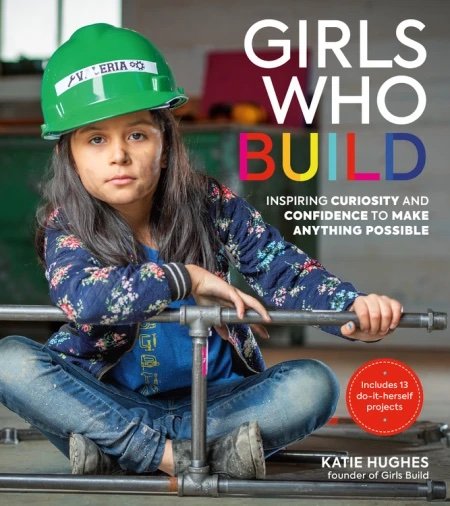
 Founder Katie Hughes — a licensed carpenter who also holds a degree in social work — spent years on Oregon job sites where women were the exception, not the rule. Her trade expertise meant she could teach the work authentically. Her grounding in youth development and trauma-informed practice meant she understood how to reach girls who had been told — explicitly or implicitly — that spaces like this weren’t for them.

In 2016, she began teaching girls the skills she’d spent a career acquiring. What started as two weeks of camp for 60 Portland girls became nine camps across Oregon, serving nearly 500 girls each summer.

 That growth was not driven by marketing. It was driven by word of mouth — families telling families, girls recruiting girls, and a community that keeps coming back.